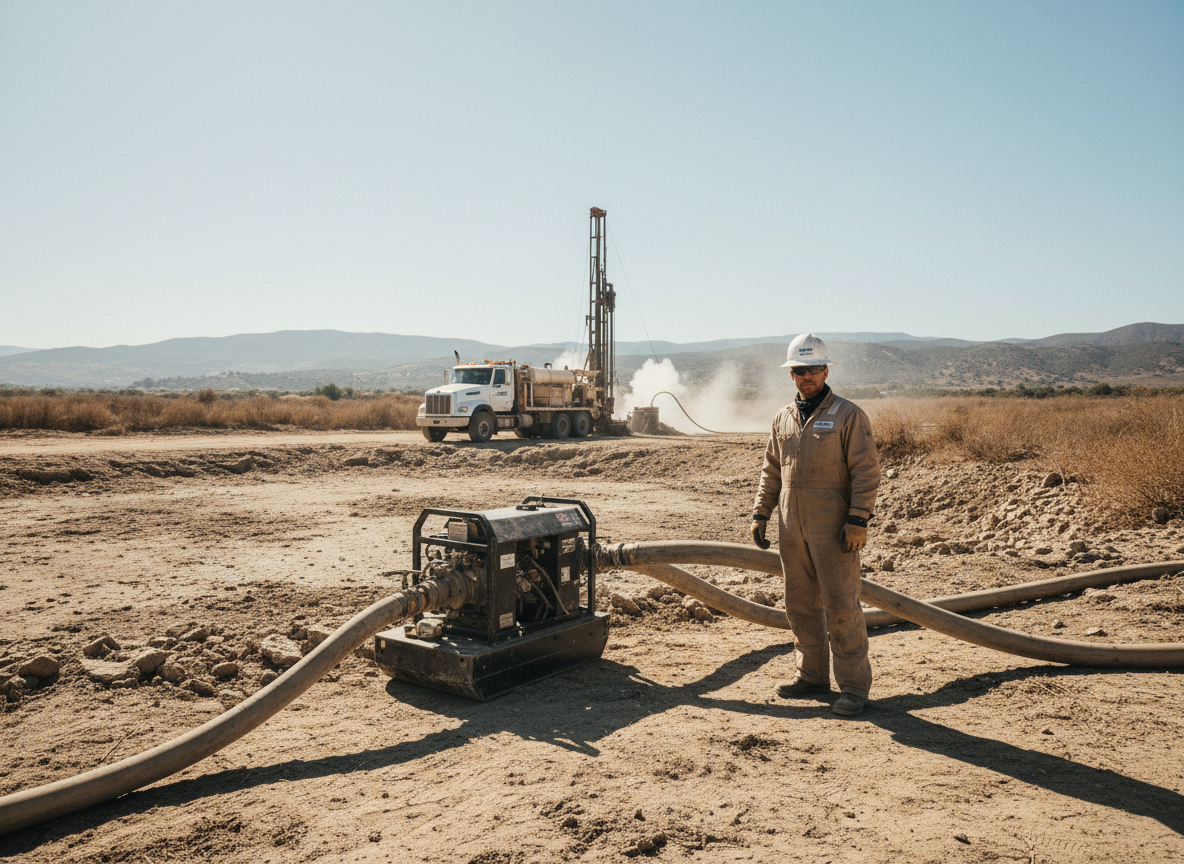
Water extraction in Newport Coast homes often involves properties built on sloped terrain where water migrates under foundations or into crawl spaces. Older hillside residences in the area frequently have slab-on-grade construction that traps moisture against the concrete, requiring subfloor monitoring equipment rather than surface-level pumps alone. Technicians must account for the marine layer that slows natural evaporation, extending drying times compared to inland California locations.
Edge cases include extraction after hillside runoff during heavy winter rains, where sediment-laden water clogs standard equipment and demands pre-filtration steps. In multi-level homes common along Newport Coast Drive, technicians route hoses through stairwells while protecting finished surfaces, and they document moisture readings at each level to satisfy insurance requirements. Failing to map hidden pockets behind built-in cabinetry or under tile leads to recurring issues weeks later.
Code considerations in Orange County require permits for any structural drying that affects load-bearing elements, and crews coordinate with local inspectors when walls are opened. Homeowners should note that Newport Coast's proximity to the coast increases salt air corrosion risk on metal components inside extraction units, so equipment is inspected daily during extended jobs.
Technician insight
In California, the thing that catches most people out with water extraction company work is how quickly moisture travels under the concrete slabs common in Newport Coast hillside homes; if crews stop at surface water only, mold shows up behind baseboards within weeks because the marine layer keeps humidity high long after the rain stops.
Runoff into lower-level family room
Heavy winter rain sent hillside runoff under a Newport Coast home's foundation and into the lower family room. We found water trapped between the slab and vapor barrier that surface pumps had missed. Extraction wands plus targeted drying under the flooring removed the hidden moisture and prevented mold growth.
How it works
- 1
Initial Assessment
Technicians arrive within hours, locate the water source, and map affected zones using moisture meters across Newport Coast properties.
- 2
Water Removal
Industrial pumps and extractors pull standing water from floors, carpets, and low-lying areas while protecting surrounding finishes.
- 3
Hidden Moisture Detection
Infrared cameras and probes check behind walls and under slabs typical in local hillside homes to prevent trapped moisture.
- 4
Documentation and Drying Setup
Detailed logs support insurance claims, followed by placement of air movers and dehumidifiers calibrated for coastal humidity levels.
Pricing
Pricing varies by water volume, access difficulty on sloped lots, and length of drying time required in coastal humidity.