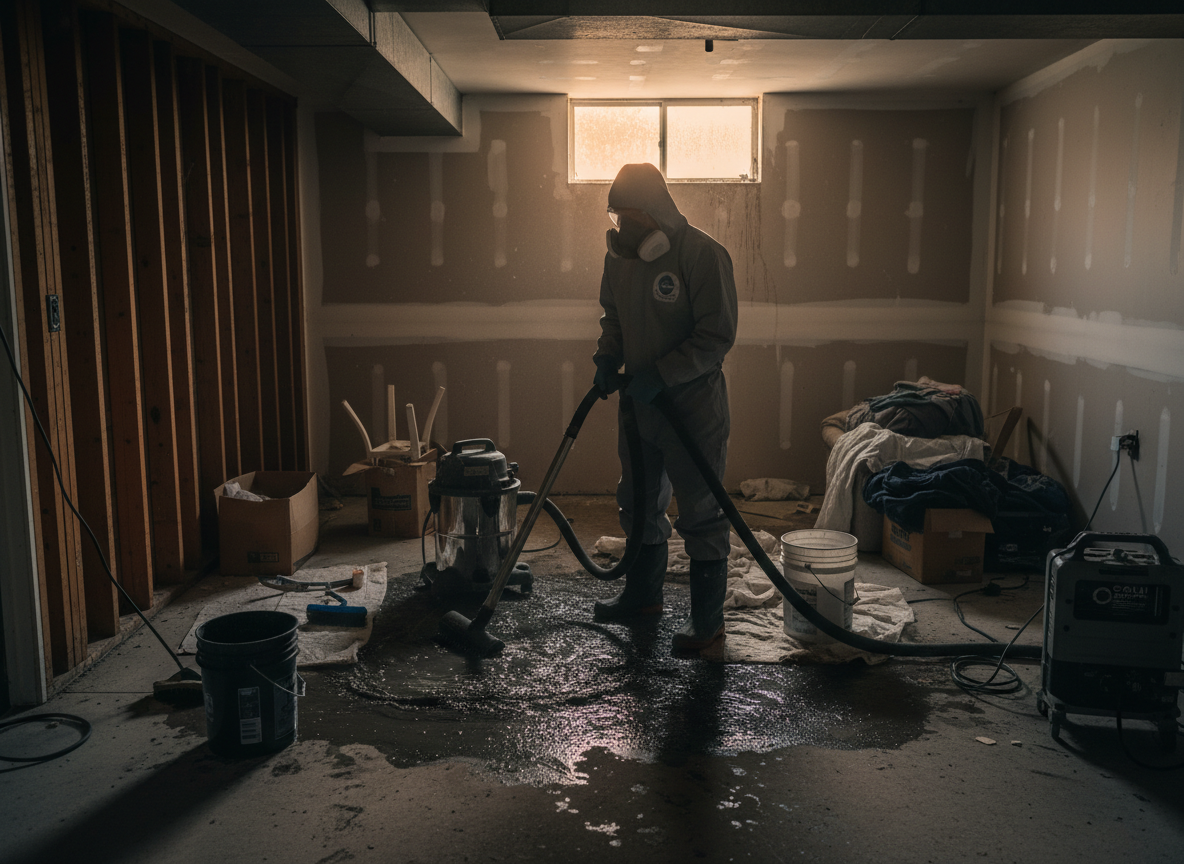
Sewage backups in Newport Coast often stem from aging municipal lines or hillside drainage issues common in Orange County coastal neighborhoods. Contaminated water can quickly migrate under slabs or into wall cavities of homes built in the 1970s and 1980s, where stucco and raised foundations trap moisture. Immediate extraction and antimicrobial treatment are required to prevent cross-contamination into HVAC systems that run year-round in the mild climate.
Technicians must follow strict IICRC S500 protocols when dealing with Category 3 water, including full PPE, negative air machines, and disposal of porous materials like carpet padding and drywall that cannot be salvaged. In Newport Coast, salt air accelerates corrosion on metal fixtures and pipes, so crews inspect for hidden leaks along the slab edges where soil movement from occasional winter rains shifts older plumbing.
Edge cases include backups triggered by root intrusion in tree-lined streets near the coast or overflow from shared laterals in condominium complexes. Proper documentation of moisture readings at multiple depths ensures hidden pockets are addressed before reconstruction begins, avoiding callbacks when humidity lingers in the marine layer.
Homeowners should avoid attempting DIY cleanup, as improper handling spreads pathogens and can void insurance coverage. Professional crews use truck-mounted extraction units sized for the narrow driveways typical of Newport Coast properties and coordinate with local waste haulers for compliant disposal of contaminated debris.
Technician insight
In California, the thing that catches most people out with sewage cleanup is how the marine layer and salt air keep moisture trapped longer in Newport Coast hillside homes with older slab foundations, turning a contained backup into hidden growth under baseboards if drying equipment isn't run long enough.
Sewer Line Backup Near Newport Coast
A home in an adjacent Orange County neighborhood experienced a sudden backup after heavy rain. Crews found the issue originated from a cracked lateral pipe under the driveway slab. Extraction and disinfection were completed, followed by targeted drying of the affected rooms; the homeowners returned to a safe structure within days.
How it works
- 1
Emergency Assessment
Arrive on site within hours to evaluate contamination extent, identify the source, and establish safety zones.
- 2
Water Extraction
Remove standing sewage using specialized pumps and vacuums while containing runoff to prevent further spread.
- 3
Cleaning and Disinfection
Apply EPA-registered antimicrobials to all affected surfaces and remove unsalvageable materials.
- 4
Drying and Monitoring
Deploy air movers and dehumidifiers, then track moisture levels until the structure returns to normal.
- 5
Final Verification
Conduct post-remediation inspection and provide documentation for insurance and homeowner records.
Pricing
Upfront estimates provided after inspection because scope depends on affected square footage, depth of penetration, and materials involved.